To travel is to live.
Hans Christian Andersen · Mit Livs Eventyr (1855)
Putopisi / Travel Stories
To travel is to live.
Hans Christian Andersen · Mit Livs Eventyr (1855)
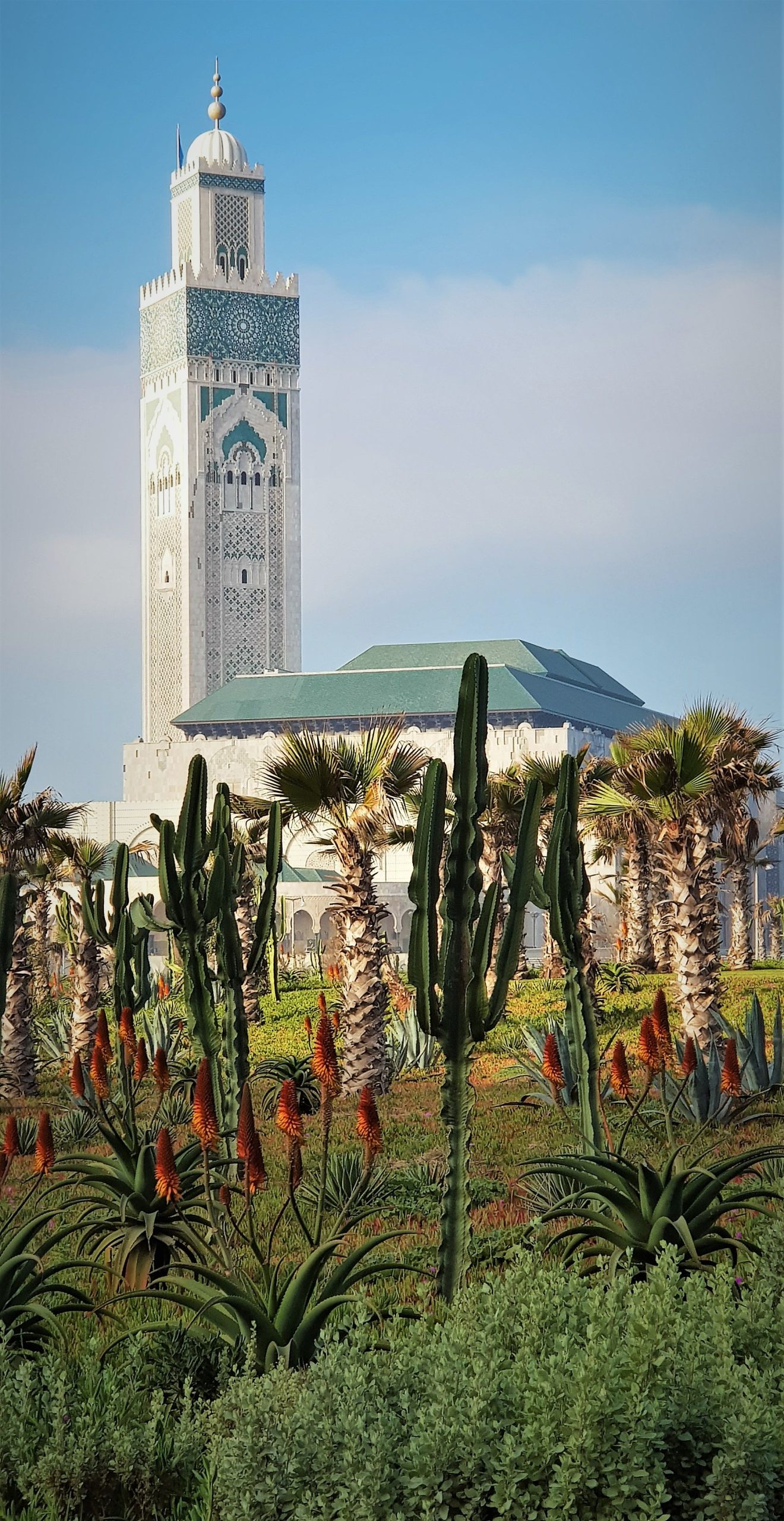
I’m Ivan. By now, I could probably claim a PhD in finding different ways to travel. Real life had other ideas, though, so my actual PhD ended up being in applied mathematics, where I work with partial differential equations, mathematical modelling, applied statistics and educational mathematics.
I often travel for work, and I also build entire trips around an opera, a concert or a play. I’m just as interested in a good dinner, a restaurant with character, a cocktail with a view of something worth looking at, and a hotel worth spending time in. The reason for going is usually only the beginning of the story.
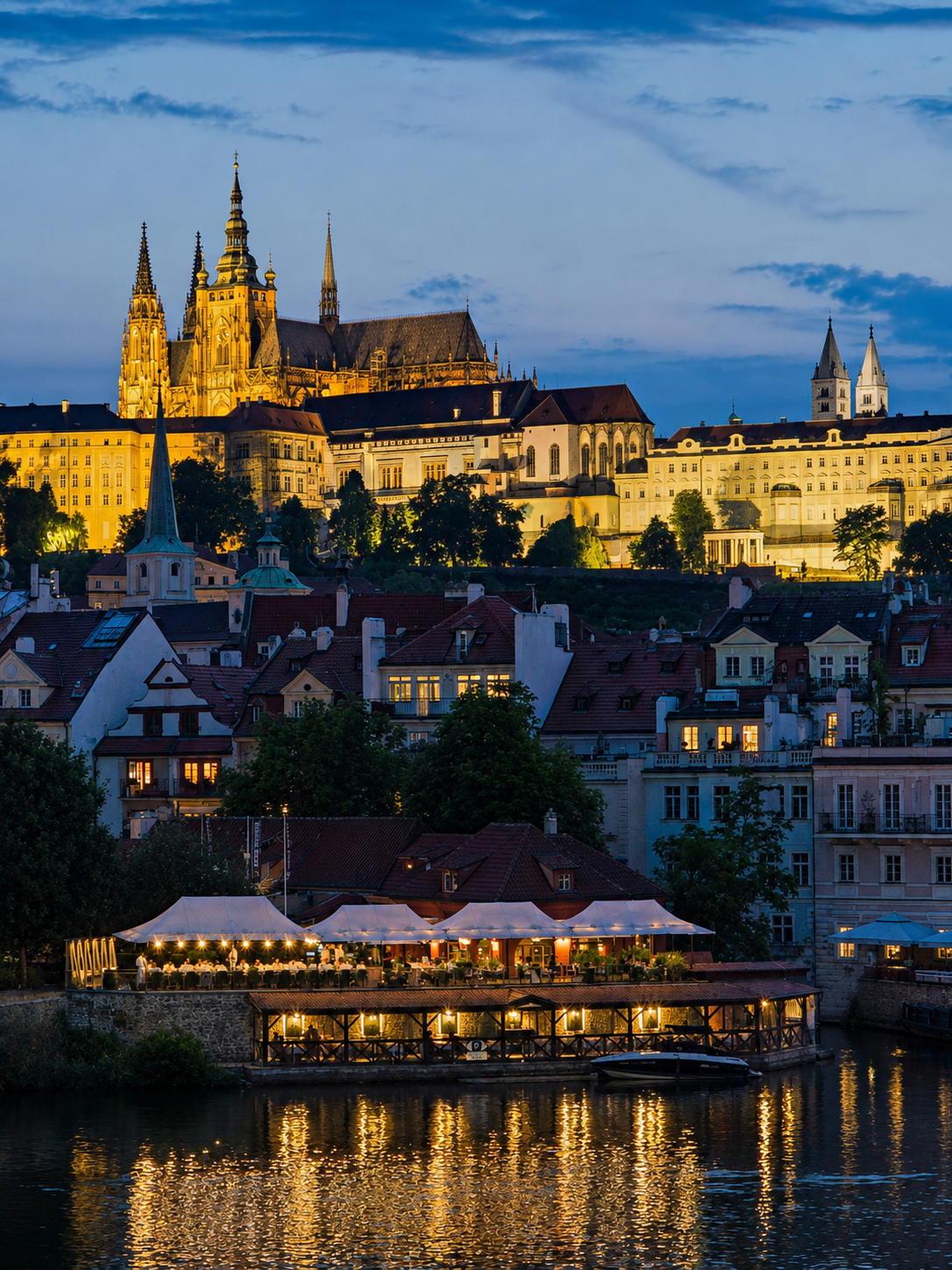
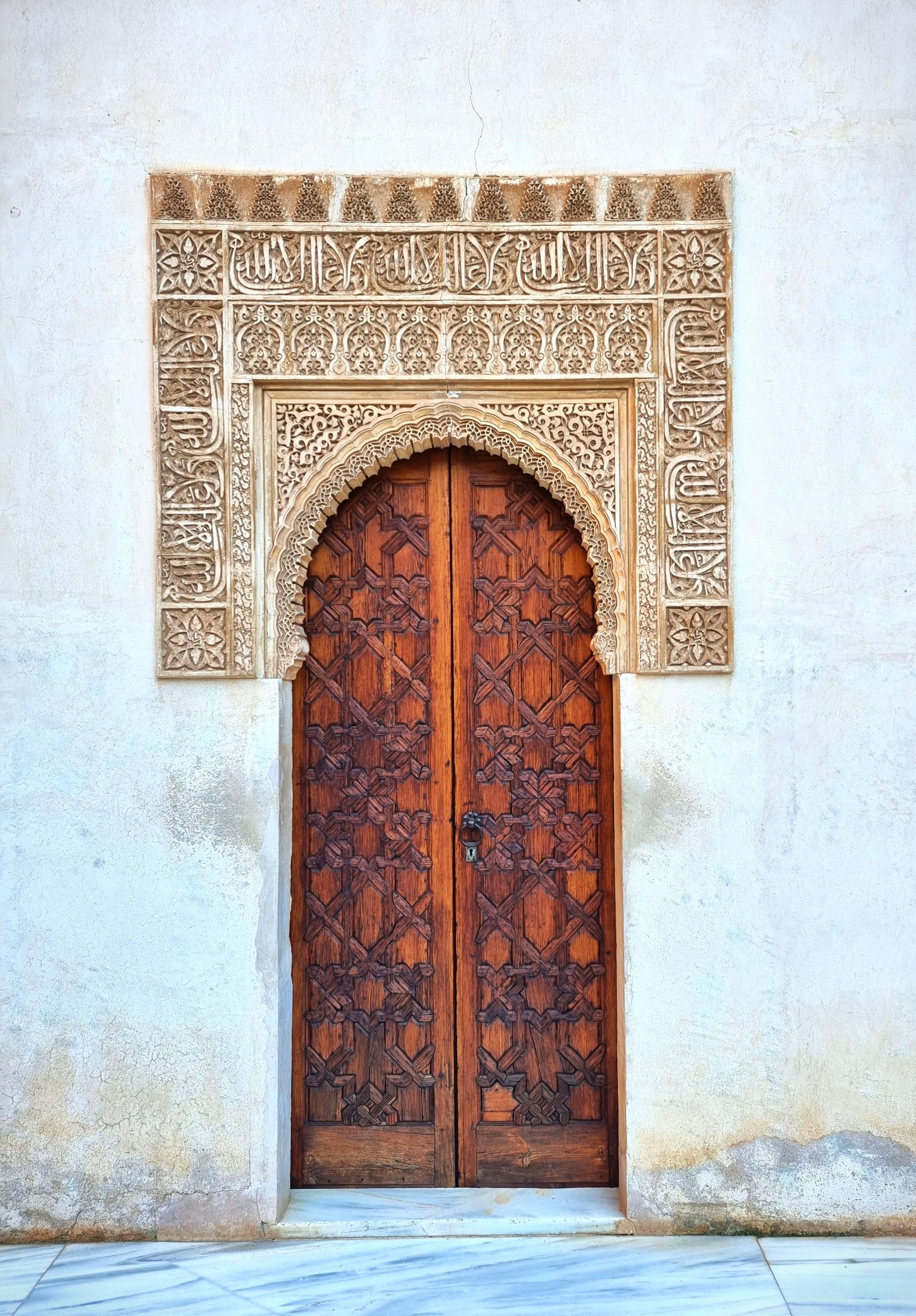
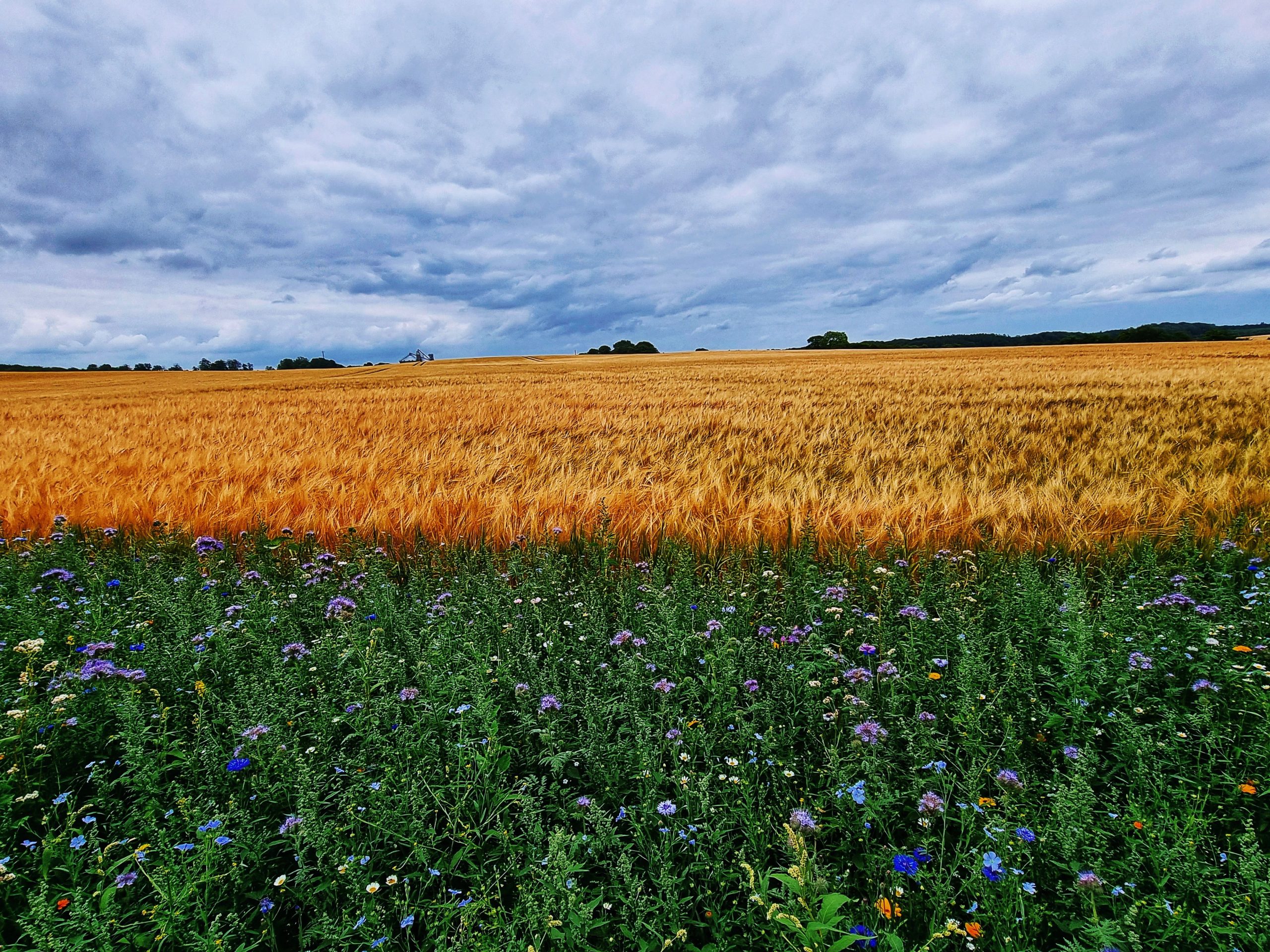
I photograph cities, landscapes and the details that make me stop. I’m drawn to the geometry of architecture, strong colours, reflections and light that changes the mood of a place. I happily visit places that have been photographed a thousand times. A familiar view from a different angle appeals to me just as much as a scene that looks as though no one has noticed it before. For me, travel photography is above all about catching the moment. There are cities I’ve been returning to for decades, others that still exist only as plans, and journeys I rediscover through old photographs.
Alongside the historical and cultural context, I like to explain what shaped my impressions: what I expected, how much time I had and where I sat. If I spent twenty minutes in a city, I don’t write as though I lived there — I write about those twenty minutes. Behind many of my trips is a little stochastic analysis and, quite often, a multi-criteria decision problem.
A flawless performance can leave me unmoved. That is a fact about me, not about the performance. I don’t leave out my own mistakes, either. It would be a shame to waste so much good material, especially when I produce it so reliably.
Explore my travel stories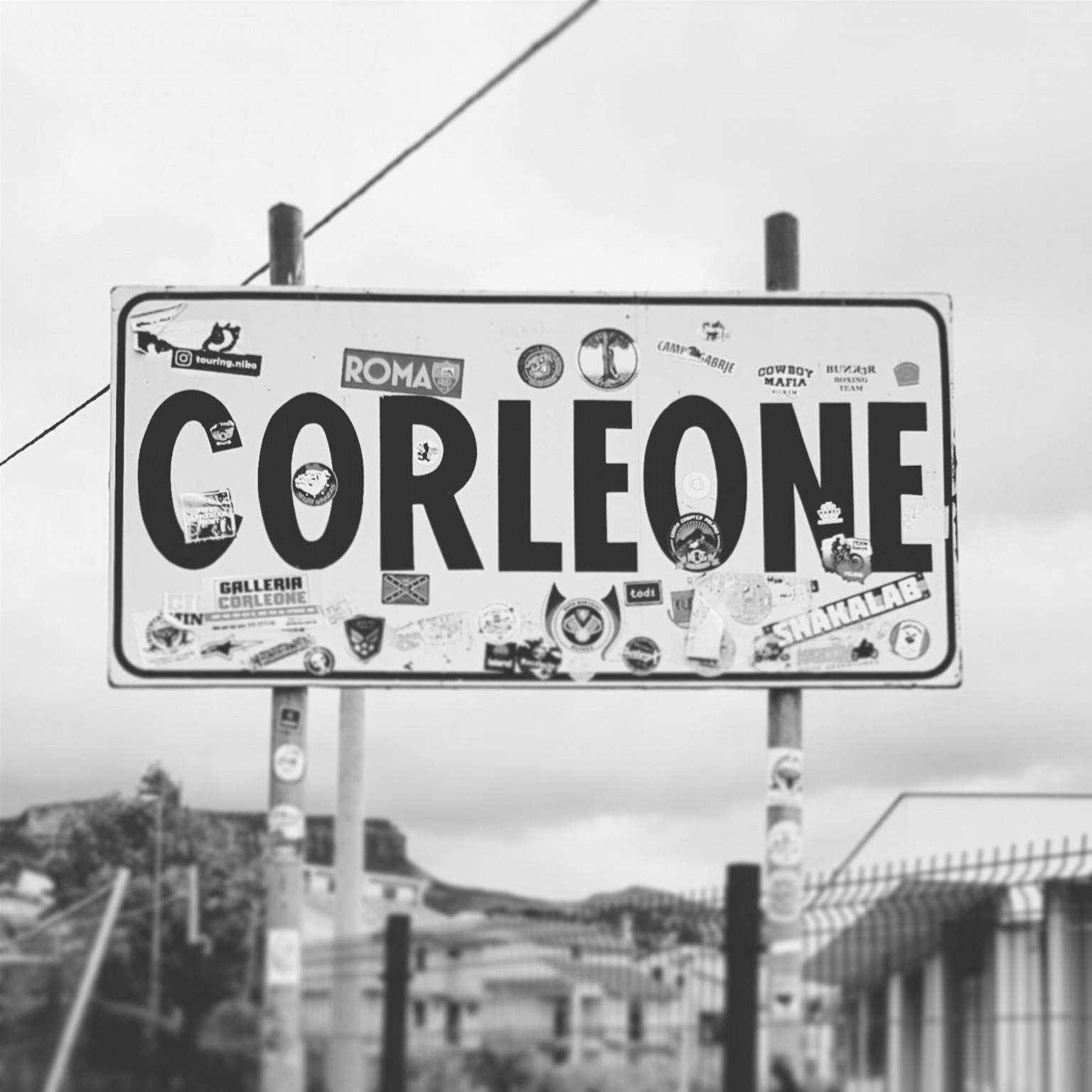
A day planned around Greek temples turned into an unpredictable drive towards Corleone, through cornfields, potholes, wild dogs and Sicilian mythology.
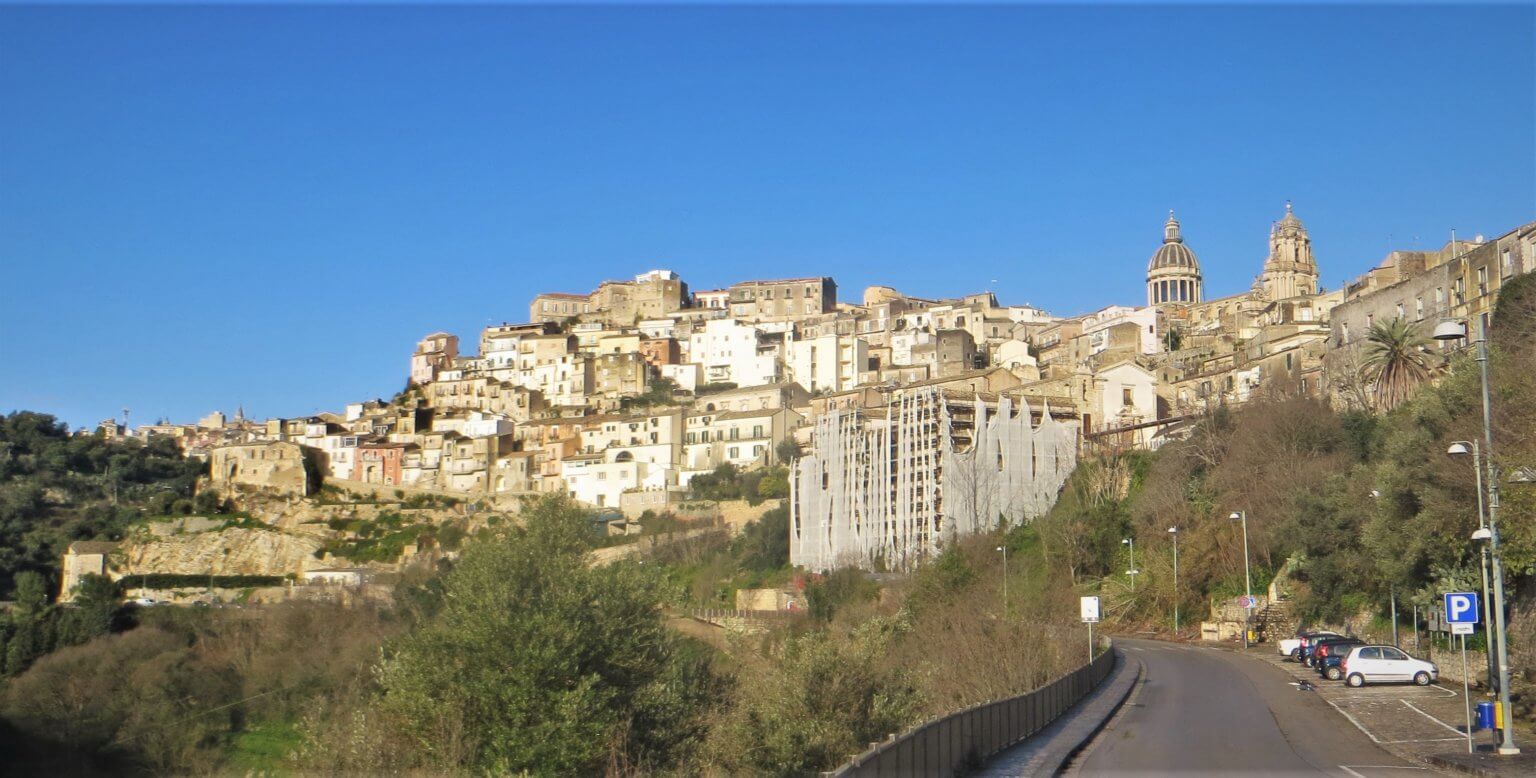
An evening and a morning in a Sicilian Baroque town nearly destroyed by an earthquake and divided by the rivalry between its two parishes.
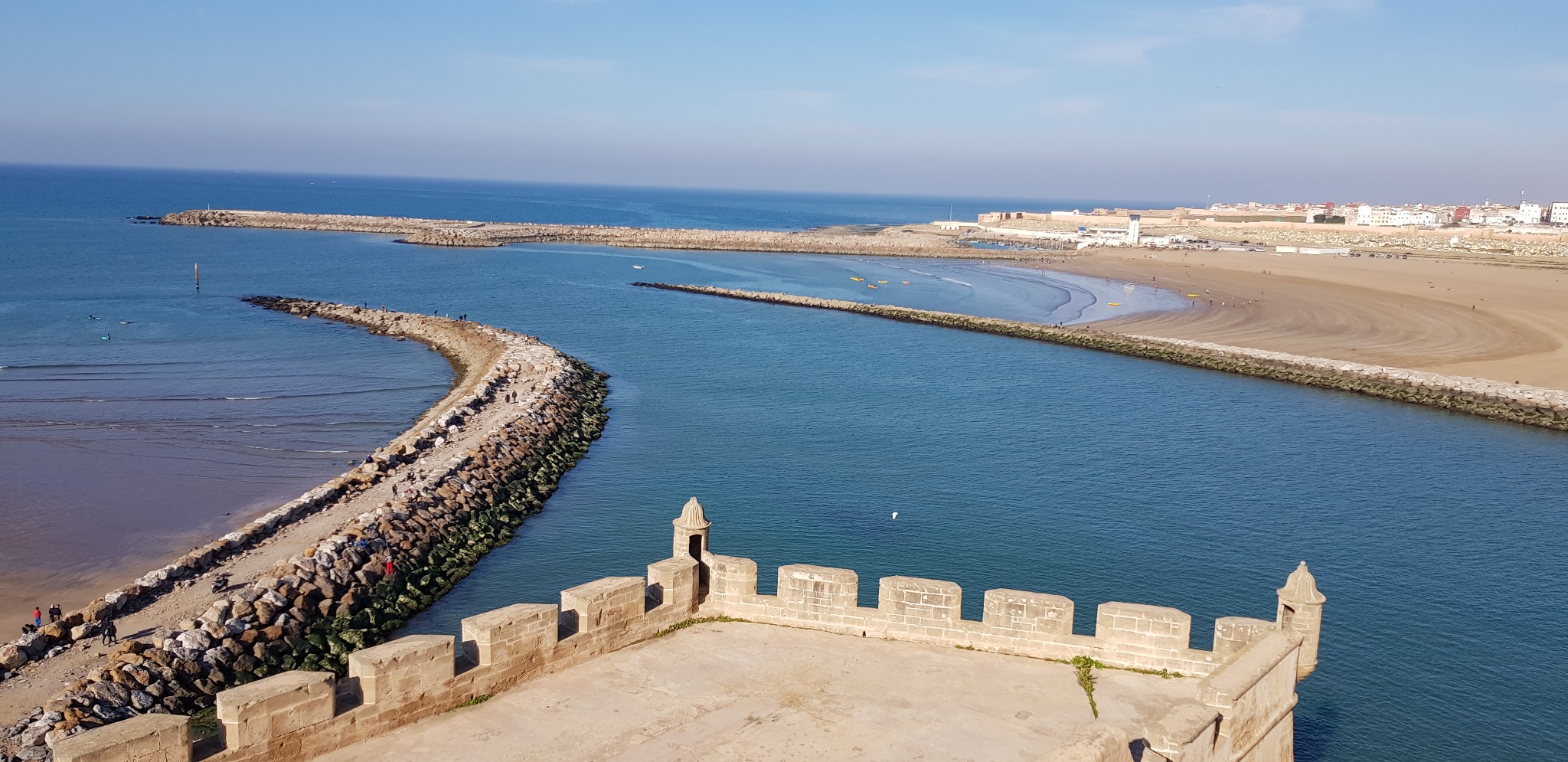
Rabat was supposed to be a place to sleep between Fes and Marrakech. A few hours later, its blue-and-white kasbah and the Atlantic had turned it into my unexpected discovery of Morocco.
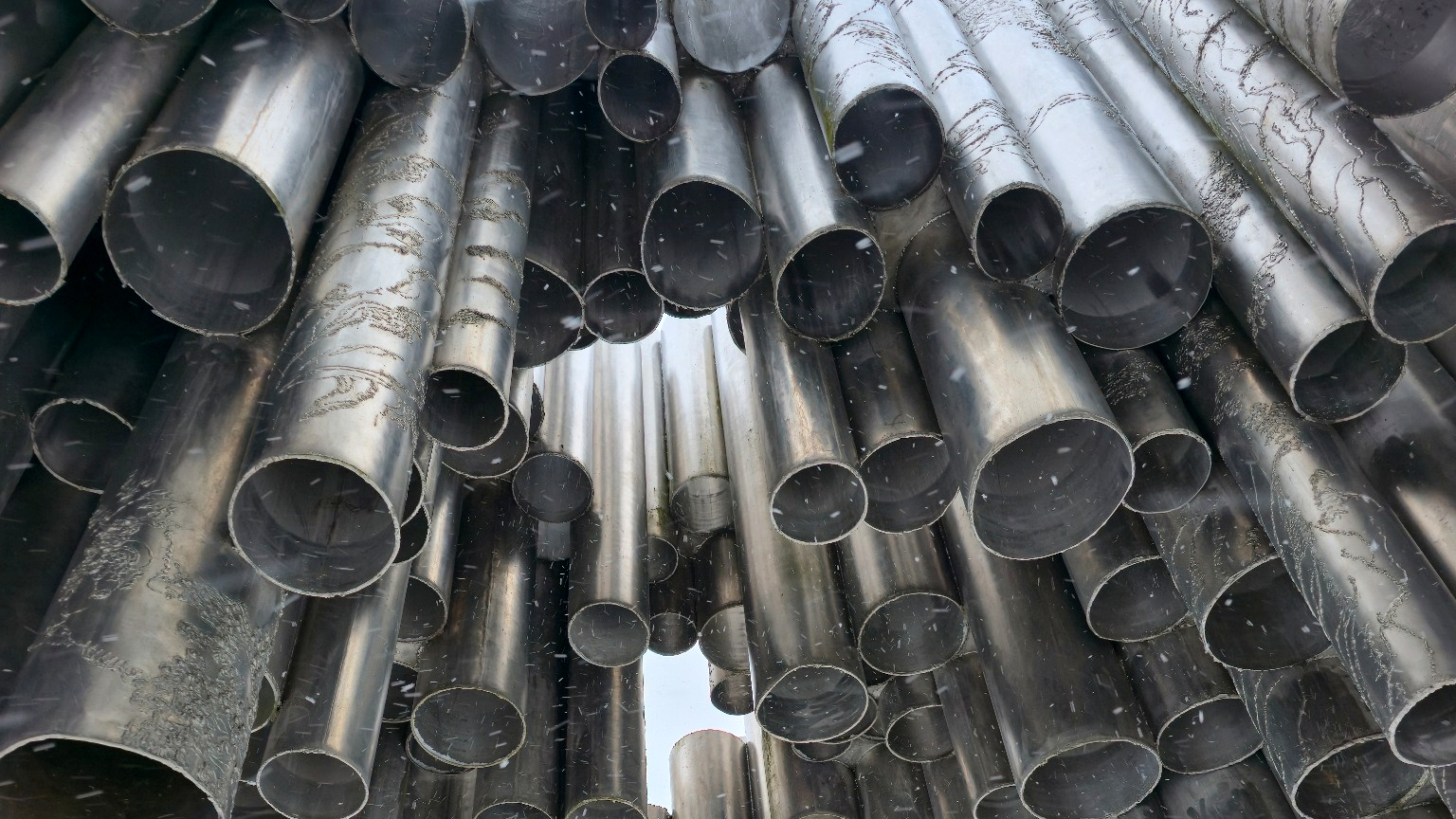
At night, the white cathedral emerged from the darkness. By morning, it had almost disappeared into the snow. Those two views framed my first encounter with Helsinki.
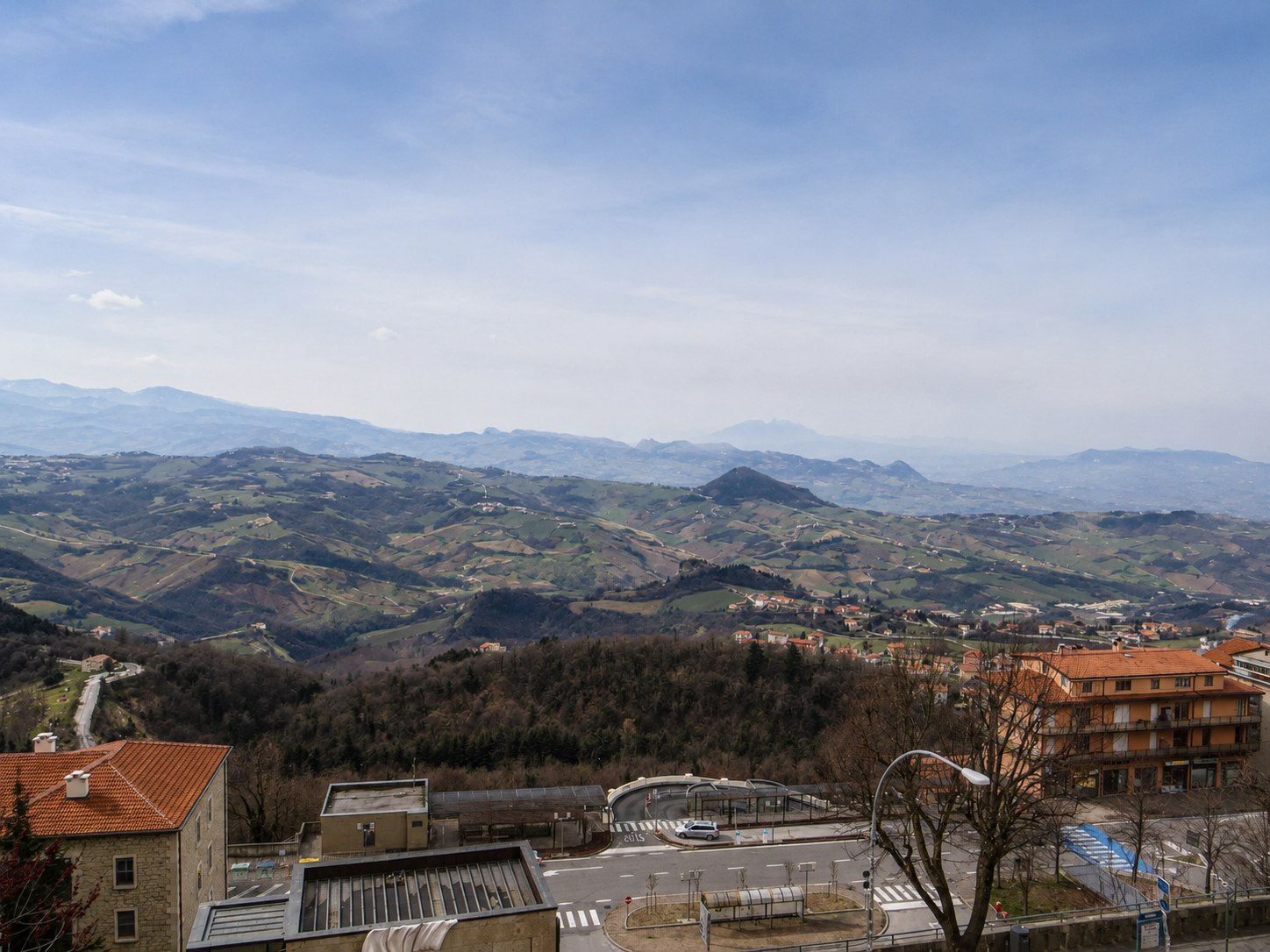
Some countries remain in memory through landscapes, meals or people. San Marino survived in mine mainly because it was a country.
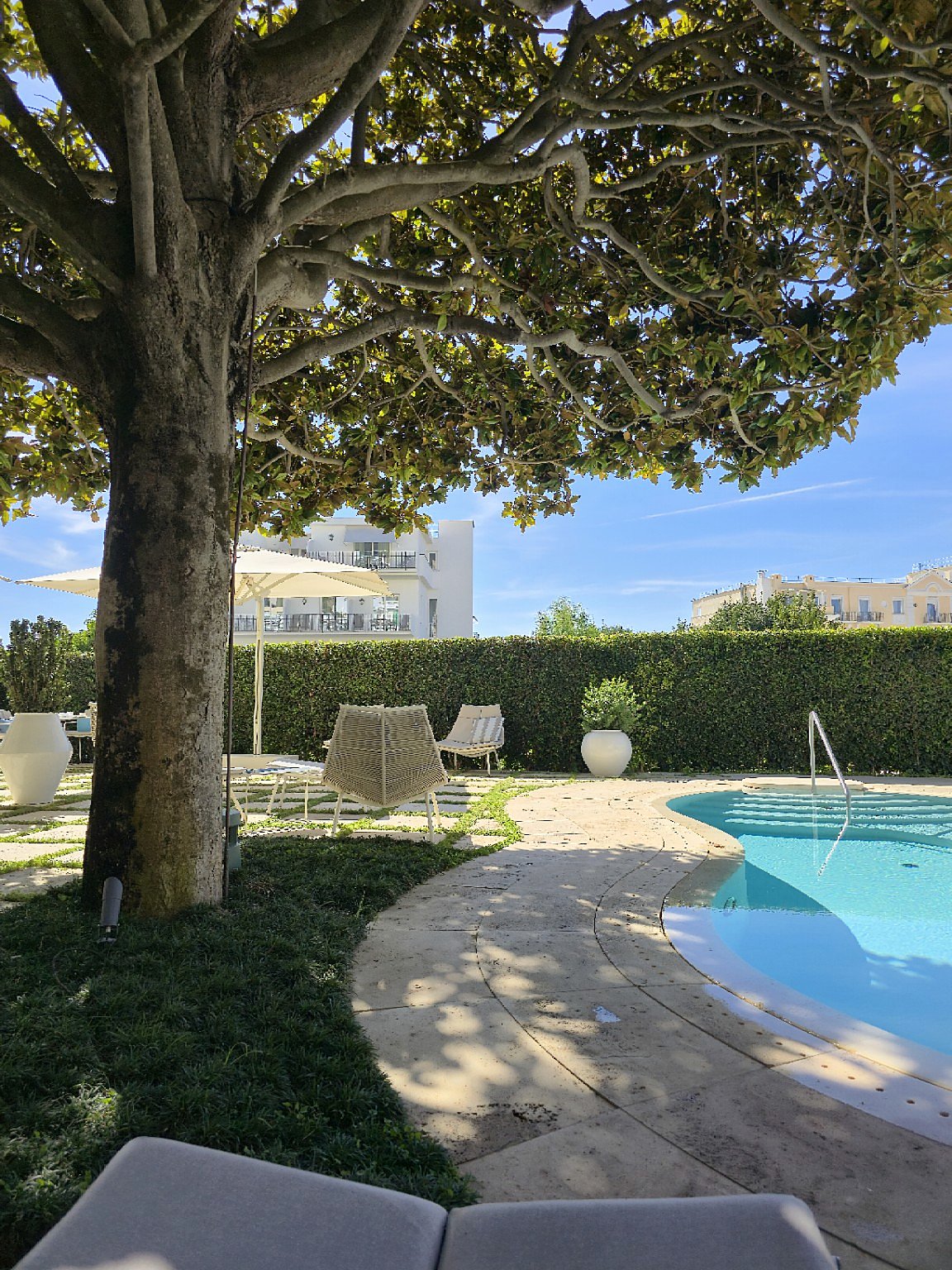
Twenty-four hours on the island of Capri where the Faraglioni finally got their turn — but the hotel, the lemonade and a whirlpool had plans of their own.
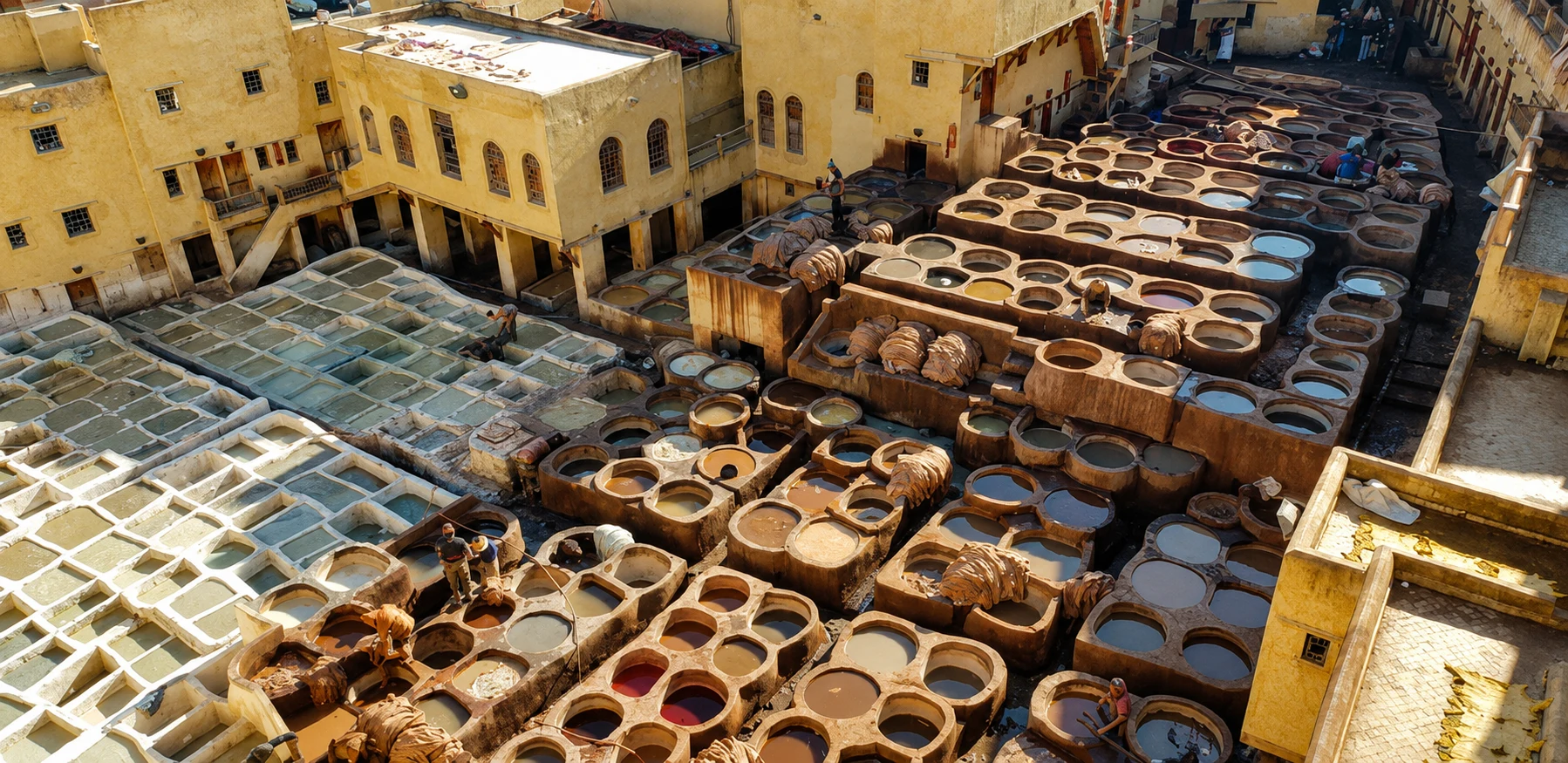
My first visit to Fes involved an expensive airport lesson, five-star comfort and a guided walk through the medina — where mint became emergency equipment and one hand briefly looked younger.
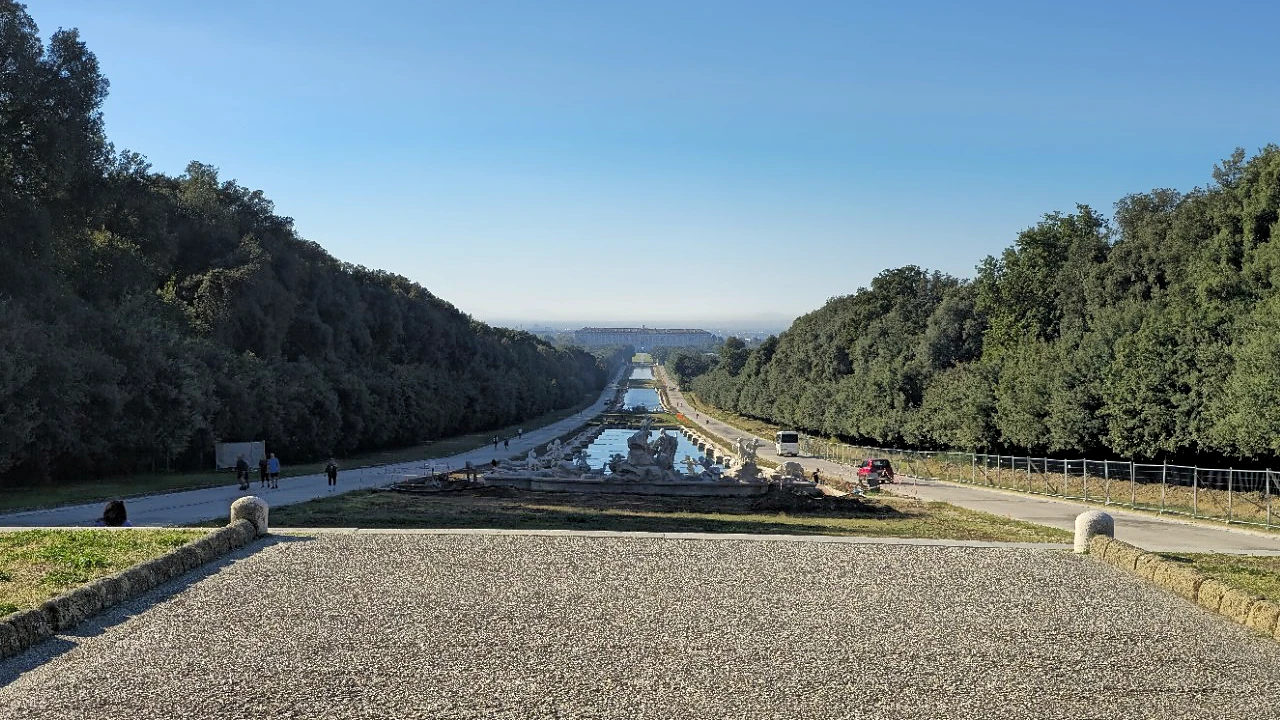
Caserta had to fit between an evening flight and a fast ferry to Capri. I hadn’t expected the most useful man that morning to be a driver with a digital translator and a very personal interpretation of royal history.
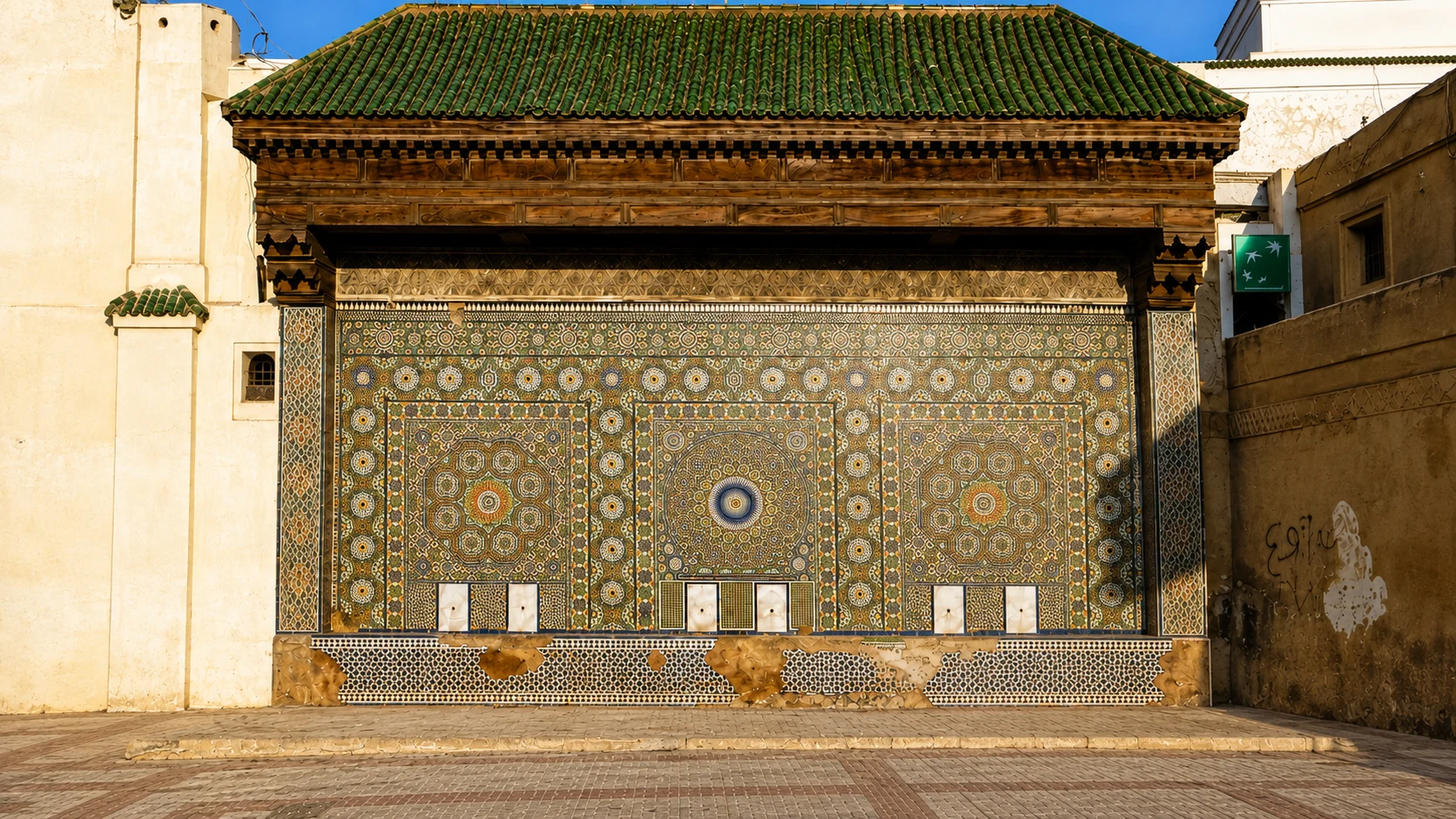
I was staying in Fes, but Meknes gave me my first medina — and the first lesson that Morocco is rarely as simple as the guidebook version.