
How losing my blood-pressure pills in Cornwall sent me on a three-day hunt across England and Wales for someone allowed to prescribe them again.
In Portwenn, the healthcare system is fairly simple. If you feel unwell, you go to Doc Martin. He will probably insult you thoroughly, diagnose you and solve the problem efficiently. If you need medicine, there is Mrs Tishell, the local pharmacist, who will dispense it somewhat less efficiently and with far more drama than is medically necessary. Portwenn, of course, doesn’t exist. It is really Port Isaac in Cornwall, and Doc Martin and Mrs Tishell are television characters.
Doc Martin is one of my favourite television series, and it was the landscapes in it that made me want to visit Cornwall and Port Isaac itself. I had no idea the trip would take on an extra dimension. I never imagined that within hours of arriving in Cornwall I would be looking for medical help in Port Isaac, of all places. Still less did I expect to meet healthcare workers who would uncannily remind me of the characters Martin Clunes and Selina Cadell brought so masterfully to the small screen.
My medical problem was very simple: I needed to replace some lost blood-pressure tablets. Three days later, I had behind me several towns, a string of pharmacies, two rather remarkable nurses, several GP practices and a hunt for a pharmacist I had begun to suspect was a mythical creature.
And it all began on the night train from London.
Night Riviera
I travelled down to Cornwall on the Night Riviera sleeper. It got off to a fantastic start: a Victorian first-class lounge at Paddington and an exceptionally comfortable bed on the train. So comfortable that some hotels would envy it. I fell asleep without any trouble and slept properly. So well, in fact, that I didn’t even hear my phone alarm. The sleeper host woke me when we were practically at Truro. I still have no idea how I managed to get dressed and packed in those few minutes.
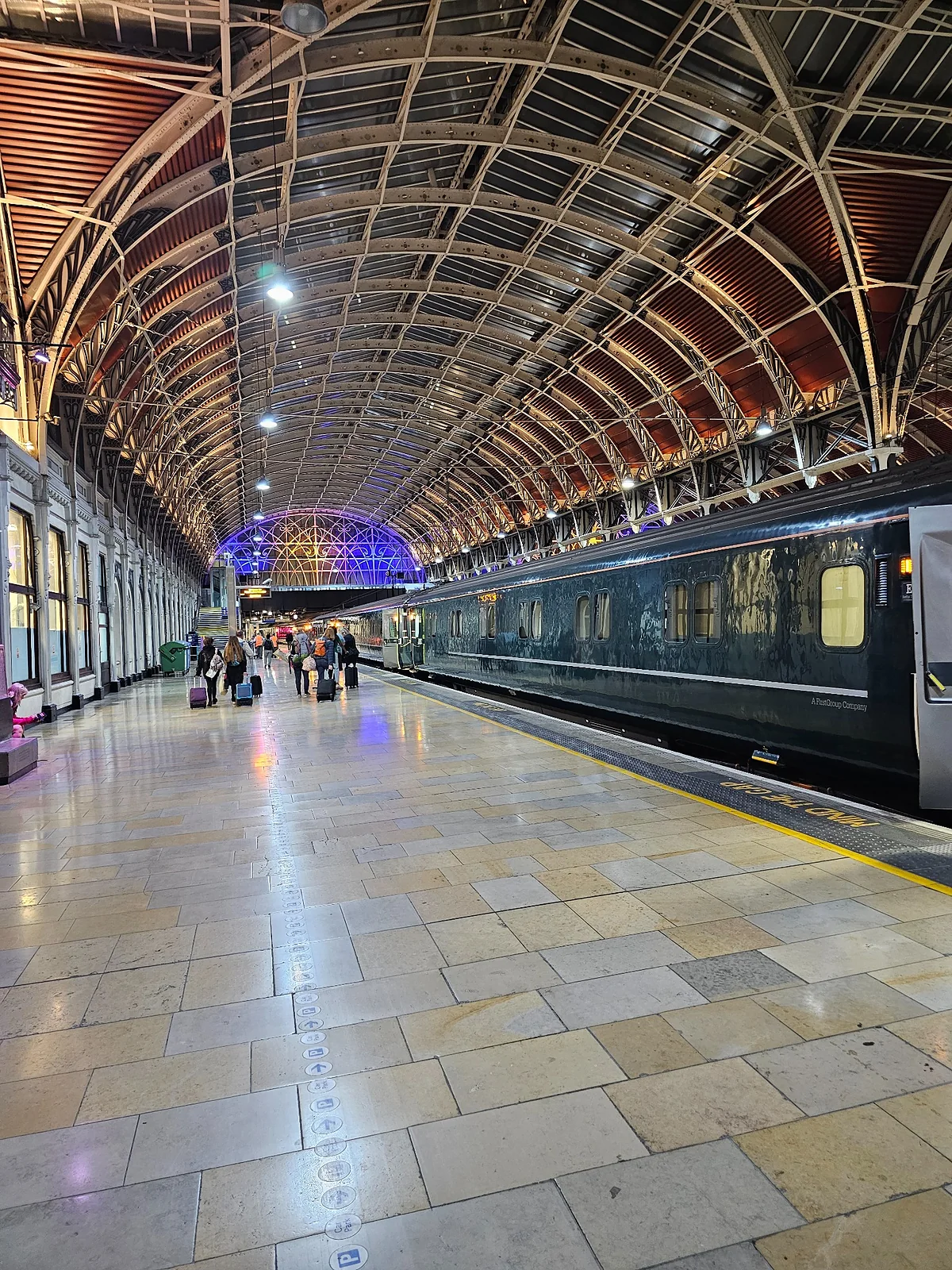
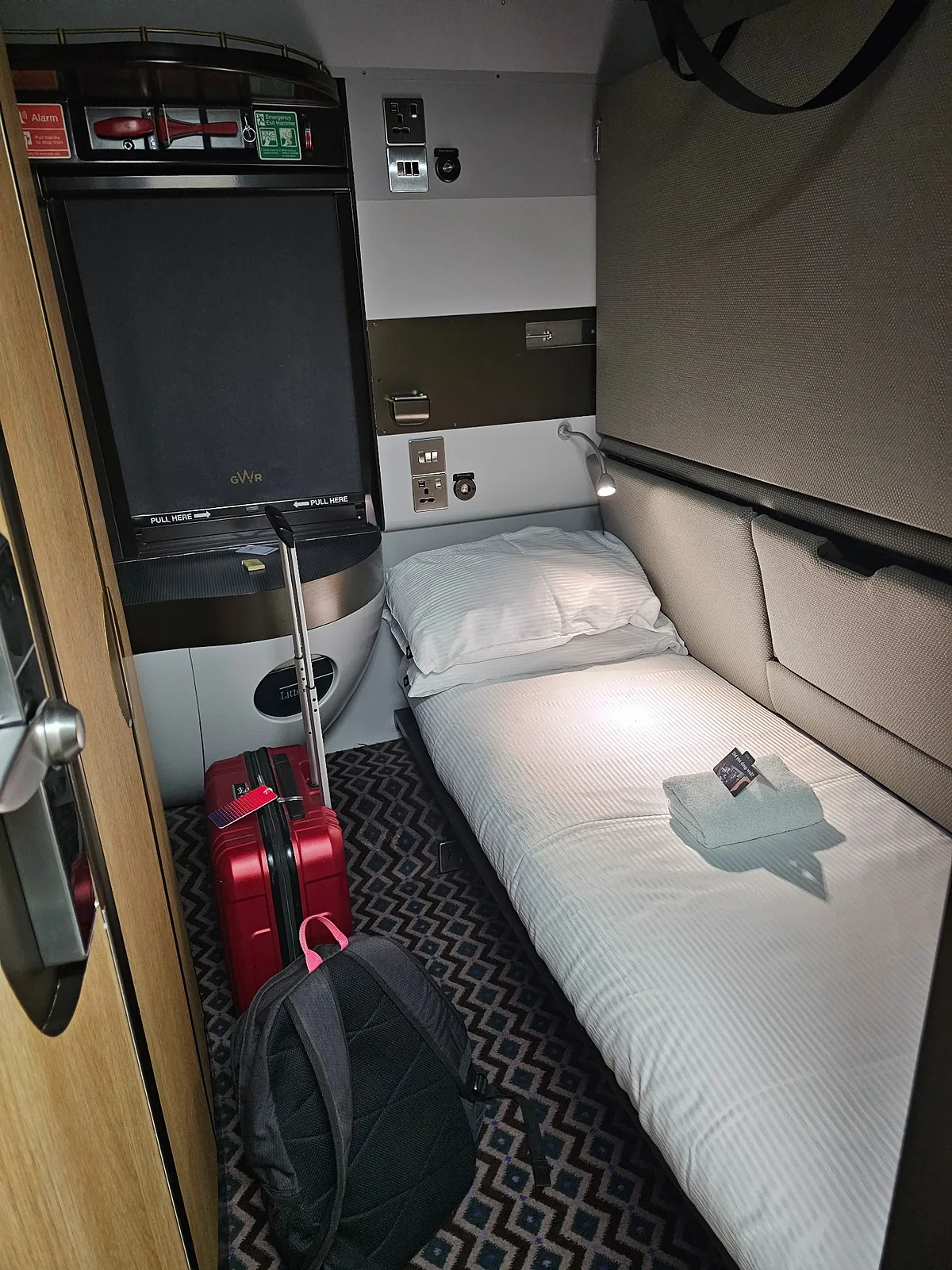
In Truro I had just over an hour before the car-hire office opened. I made the most of the sleeper’s extra perks: a free shower in the station lounge, plus complimentary tea and biscuits. I’m past forty, and with that have come a few new routines, among them a daily dose of blood-pressure medication. I usually take it with my morning coffee or tea. I opened my bag and the pouch with my medicines. Everything was there except the little box of Triplixam. I knew at once what had happened. In all that rush, something must have been left on the train.
It didn’t seem dramatic. I felt fine, and when my doctor prescribed the treatment he had told me nothing would happen if I skipped a tablet for a day. I thought the box might have slipped in among my things and that I would find it that evening at the hotel. I carried on as planned and picked up the car. Still, I have to admit that a small irony crossed my mind: I was about to drive on the left for the first time in my life. No chance my blood pressure would stay normal. I laughed and set off for Tintagel.
Driving felt a little odd at first, but I handled junctions and roundabouts without any trouble, which I was genuinely proud of. What caught me out was stubborn muscle memory built up over two decades of driving on the right. Several times, when I went to change gear, my hand reached for the door instead of the gearstick.
Then the dual carriageway ran out, and narrow country lanes took the stage. In places they were more cycle path than road. More than once I clipped the edge of the tarmac with the left wheel and thanked both God and the devil from the bottom of my heart that I had taken full insurance cover. Then came a flock of sheep that couldn’t decide where it actually wanted to go. Shortly afterwards, a few cows found themselves in the same dilemma. At that point I started to feel phantom symptoms of high blood pressure, and the hypochondriac in me added an urgent visit to a pharmacy to the itinerary. Just as well, because getting hold of those tablets turned into the adventure that dominated the entire trip.
Tintagel says no
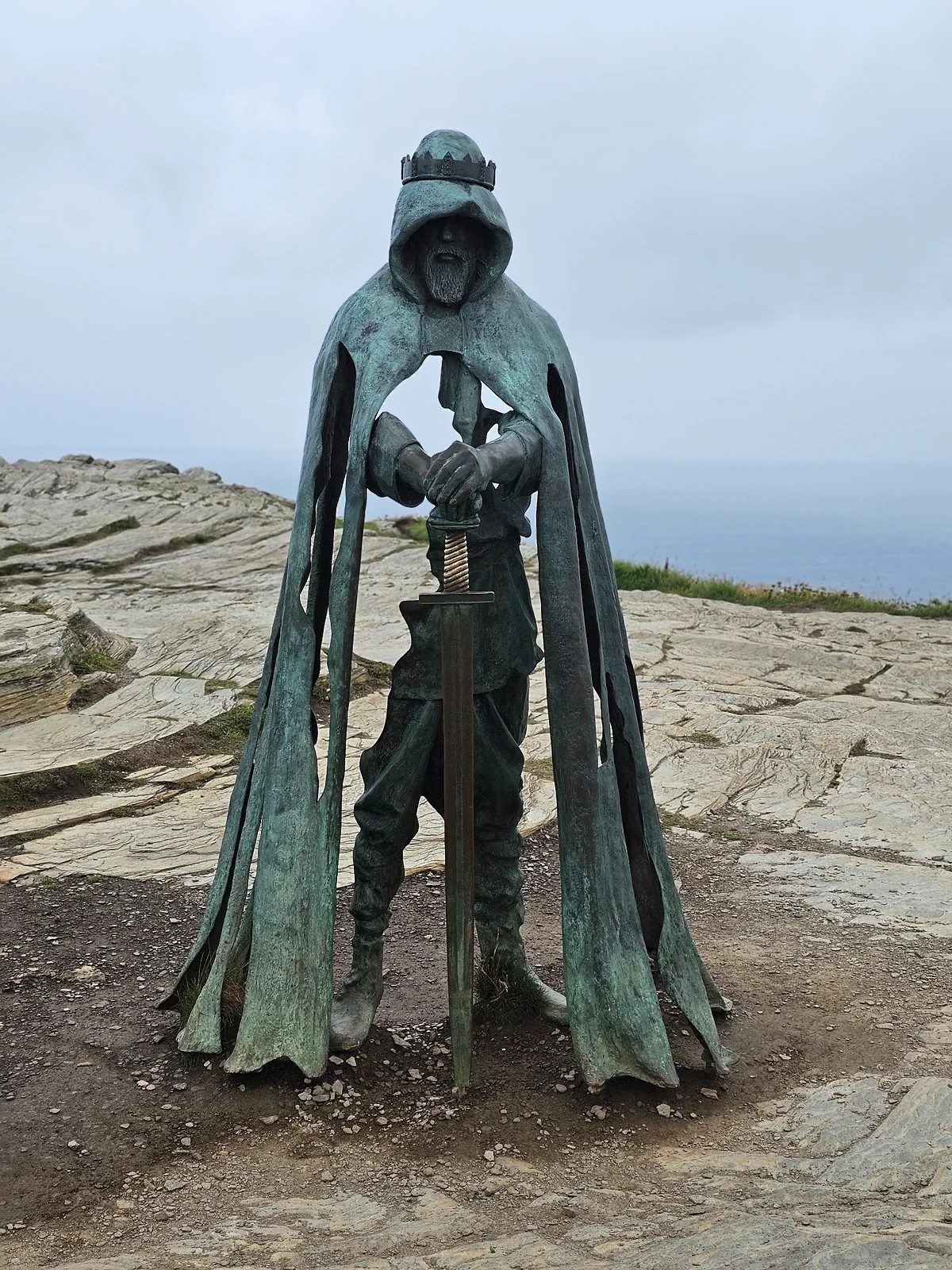
My first stop was Tintagel. Before King Arthur and everything else I had come for, I went into a pharmacy and told them what had happened. The pharmacist was very understanding but couldn’t help. Blood-pressure medication, he explained, was available only on prescription, and he advised me to see a doctor. Even my certified list of medications didn’t help. If I wanted the medicine, a British doctor would have to write me a prescription. That surprised me a little, but at that point it didn’t worry me much. I decided to try in Port Isaac, hoping the pharmacy there might have someone more willing to make an exception, and set off to see the sights. After all, photographing Gallos was precisely why I had come.
Port Isaac: Portwenn without Doc Martin
And so, a few hours after arriving, I really did reach Port Isaac. Only now I didn’t need the television Doc Martin; I needed a real doctor. Scenes from the series came back to me, and with them Doc Martin’s efficiency. If my small medical problem could be solved anywhere in Cornwall, surely it was here. But this wasn’t television’s Portwenn. It was the real Port Isaac.
Port Isaac did have a GP practice. There just wasn’t a doctor in it that day. Not even a grumpy one like Doc Martin. None at all. The irony was perfect, and I would have appreciated it far more if I hadn’t actually needed a doctor.
This is where my real episode begins.
I rang the travel-insurance service provided through my bank, recounted what had happened and received advice of exceptional professional value: find a doctor and, if there are any costs, keep the receipt. Excellent. I had somehow managed to arrive at the same plan without their help.
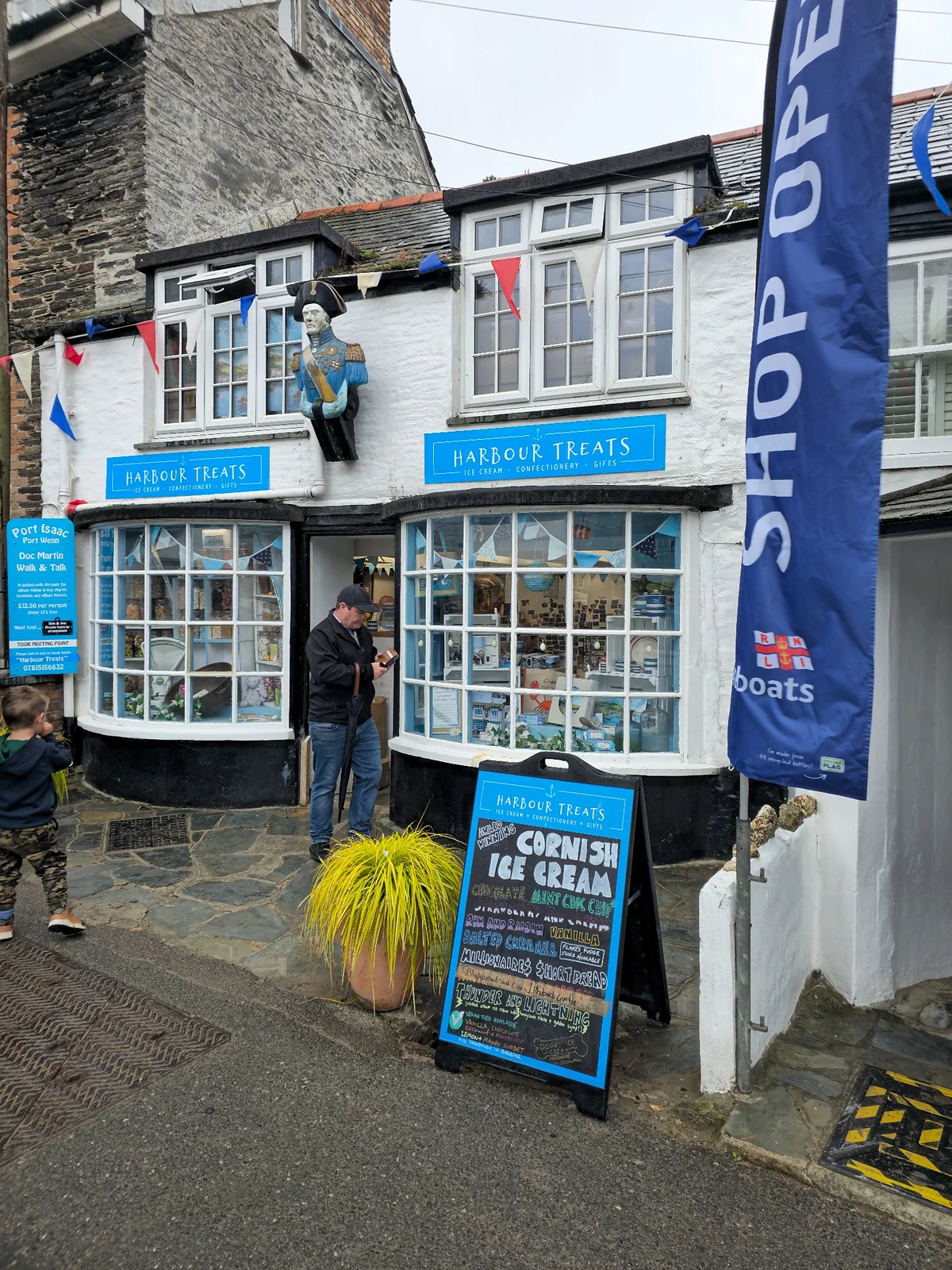
Still, I tried once more, reckoning that the television pharmacy might be a pharmacy in real life too. It isn’t: it sells sweets and gifts, not medicines. If nothing else, I got a good photograph. At that point I decided to put the search on hold. That evening, at my hotel in Plymouth, I would go through my bags thoroughly. If the tablets really weren’t there, I would probably be able to sort it out in a bigger city. Bigger city, more pharmacies, more doctors. How complicated could it possibly be to get hold of a few tablets I take every day? It would all be over by breakfast. It wasn’t.
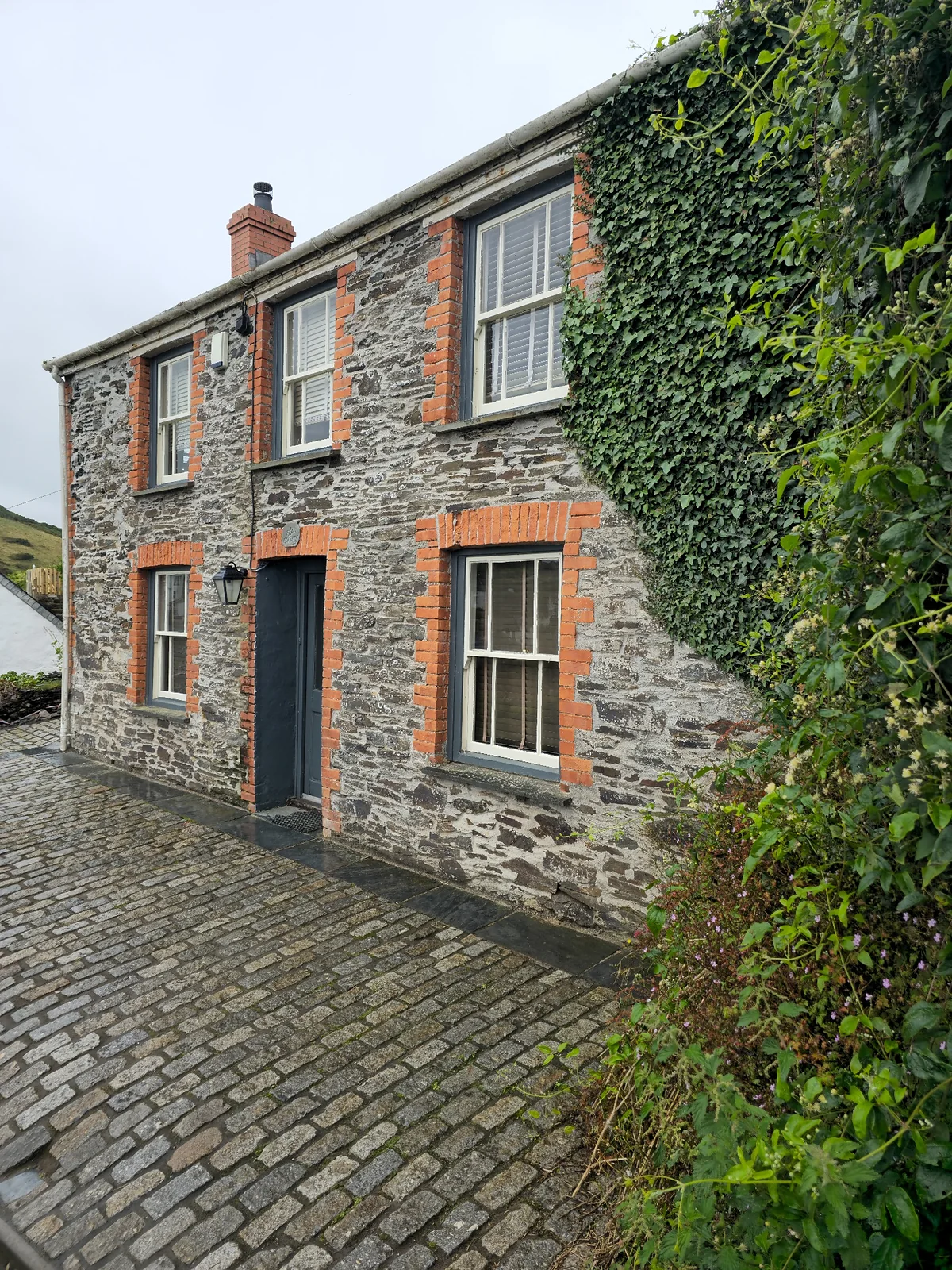
Plymouth and the pharmacist who can prescribe
The thorough search turned up nothing, so the next morning in Plymouth I set about solving the problem. I walked into yet another pharmacy, hoping an obliging pharmacist would see that this was routine long-term treatment and simply help. This one was genuinely obliging. He listened, looked my medicine up in his database and explained that Triplixam is in fact a combination of three active ingredients. It isn’t sold under that name in the UK, so I would need to replace it with two or three separate medicines. Without a prescription, however, there was nothing he could do.
Then he let me in on something. There is a kind of pharmacist I had never even heard of: the pharmacist independent prescriber, a pharmacist allowed to prescribe medicines on their own.
Wonderful. Where do I find one?
The pharmacy, he said, worked with one, but he came in roughly once a week. Not that day, naturally.
There was a GP practice nearby and, yes, they could help me. Unfortunately, the first available appointment wasn’t until the afternoon. The rest of the trip was already planned and the train tickets bought. Waiting several hours would have meant wrecking the whole schedule for something that still seemed to me like a five-minute job.
So I did what any reasonable traveller does when one city fails to produce a box of tablets: I went to another city.
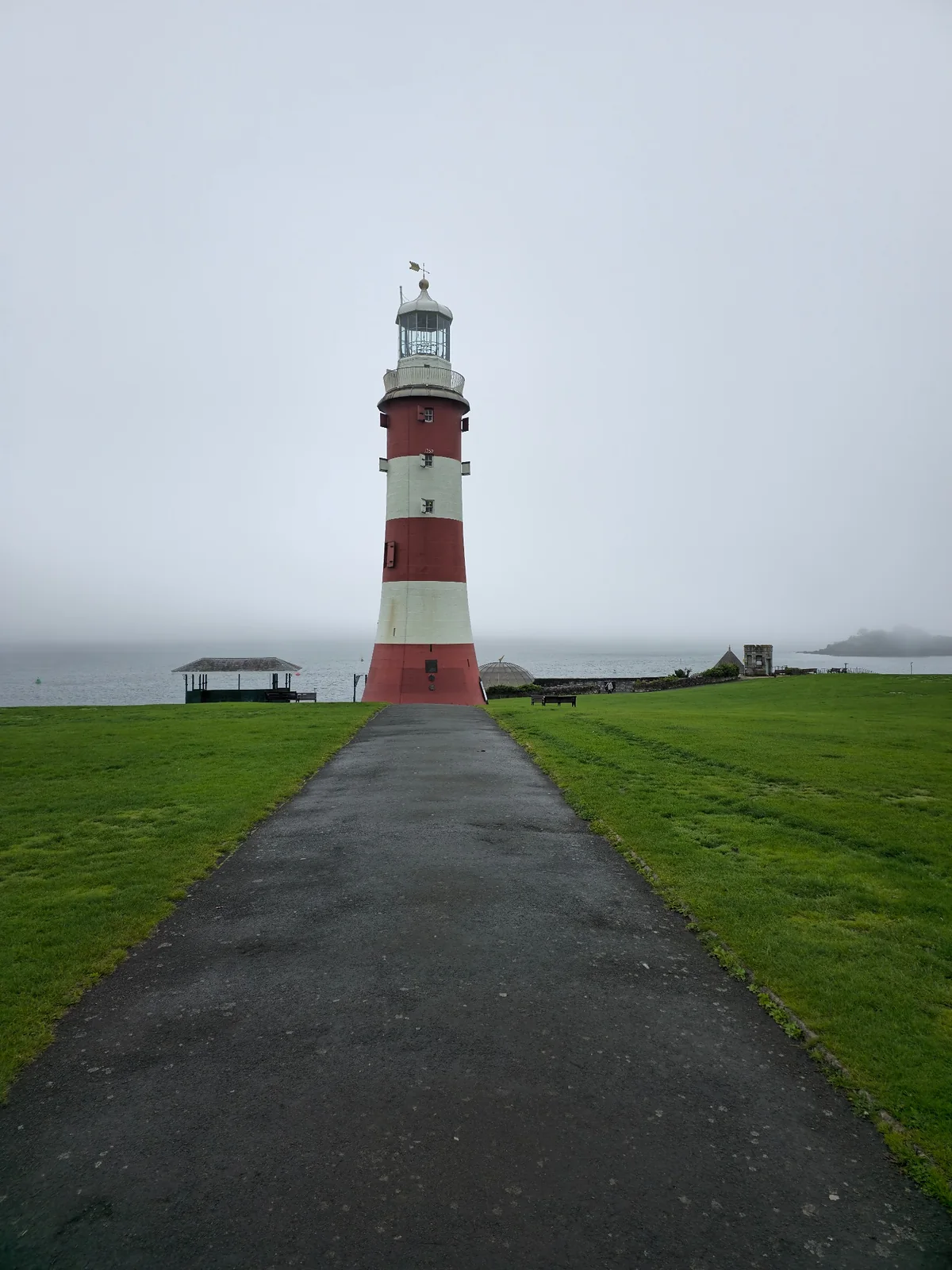
Exeter and the pharmaceutical unicorn
In Exeter the whole thing was starting to become absurd. I tried three pharmacies and, of course, none of them had a pharmacist who could prescribe. In my mind he promptly became a pharmaceutical unicorn: everyone talks about one, but almost nobody has seen one in its natural habitat.
At the third pharmacy I did at least get something that sounded promising: the number of a telephone service through which, once I had described the problem, I might be able to get a prescription.
Excellent. There was just one small snag: it could only be called from a British number. I didn’t have one.
That was when I gave up on pharmacies and turned to doctors. The trip was slowly ceasing to be a trip. It was beginning to look more and more like an episode of Doc Martin written by someone obsessed with healthcare bureaucracy.
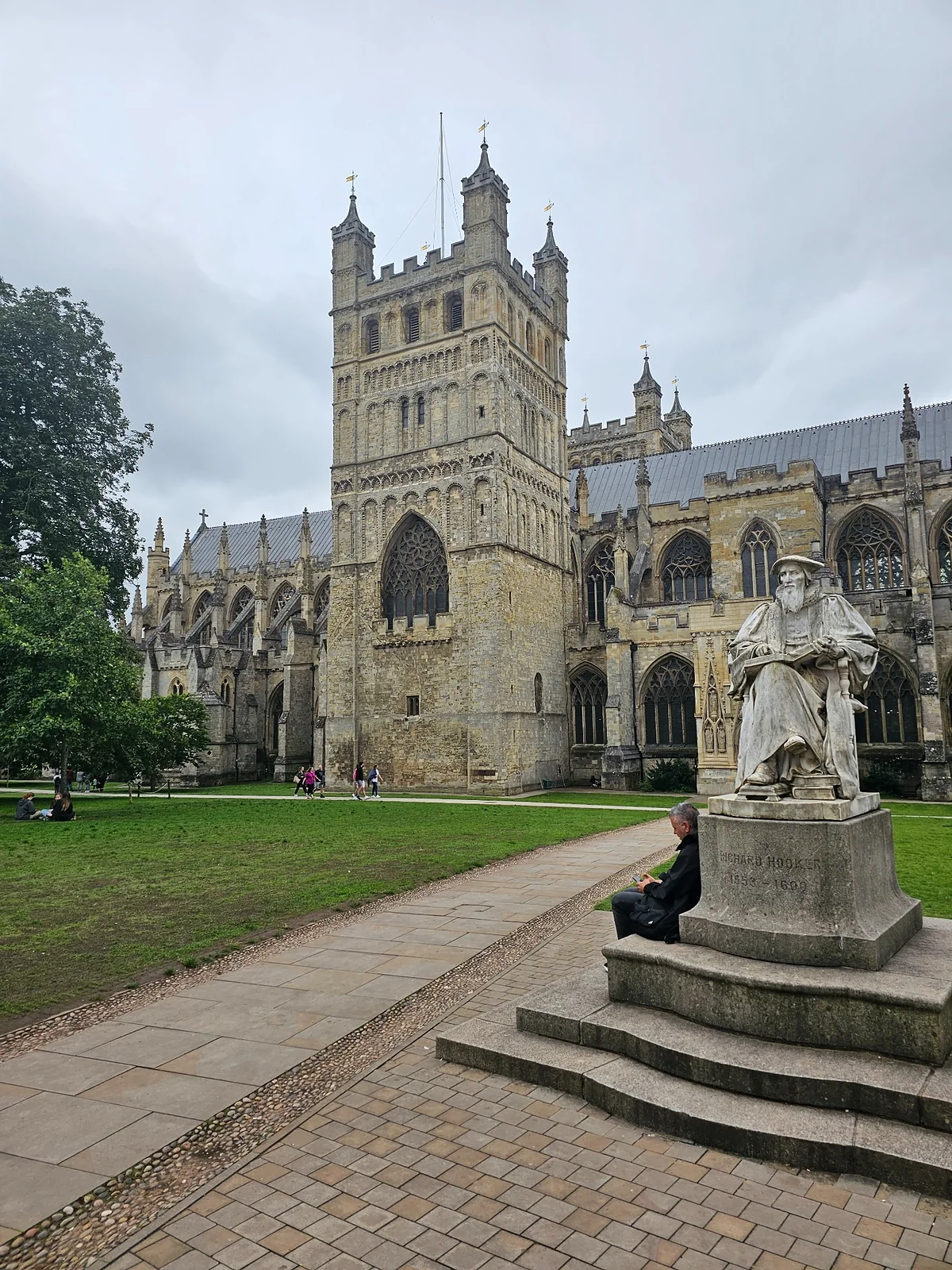
The first nurse wanted to punish me
It was only in Exeter that the story began to acquire characters worthy of Mrs Tishell. At the first practice, the road to a doctor led through forms, questions, more forms and, finally, an interrogation by a nurse. After about two hours (in other words, almost as long as I had refused to wait in Plymouth) she seemed to have reached a diagnosis: my main medical problem was irresponsibility. The tablets, she explained, had been my responsibility. I had lost them. In her view, the most appropriate course of action would therefore be to cancel the rest of my trip and go back to Croatia.
I sat there wondering whether I had walked into a GP practice or a disciplinary hearing. She stopped short of proposing a public flogging, but the atmosphere suggested she wouldn’t have considered it excessive. I left without a prescription.
The second nurse had an even better idea
Things moved much faster at the next practice. I barely had to wait, and the advice I received there was unforgettable. As far as I understood, I was simply to wait until the medication had left my system completely. Once I felt ill enough, I could call an ambulance from my hotel.
For a moment I honestly wondered whether I had understood her correctly.
The proposed solution to a small and entirely solvable problem was evidently to wait until it became an emergency. Even Mrs Tishell might have found that unnecessarily theatrical.
A doctor at last
At the third practice in Exeter, I reached a doctor, in the flesh. He understood the situation at once, was sympathetic and genuinely wanted to help. Unfortunately, wanting was as far as it went. As he explained, they could provide urgent care there, but not renew a prescription for long-term treatment. He seemed almost as frustrated as I was. He offered me an injection to bring my blood pressure down, should a reading show that one was needed.
They took my blood pressure. Despite everything, it wasn’t yet particularly worrying, so there was no need for the injection.
The doctor knew what I needed. I knew what I needed. The medicine existed. And still nobody could give it to me.
Cardiff: the unicorn exists
The next morning I set off for Cardiff. By then I had gone two days without my regular medication. The symptoms were slowly turning from phantom to real, and my patience was showing even more symptoms than my blood pressure. The first pharmacy was another dead end.
Then I walked into the second and discovered that the mythical creature really did exist: there was a prescribing pharmacist on duty.
After Plymouth and Exeter, I half expected a heavenly choir.
I described my situation, and for a few glorious moments everything looked perfect. Yes, he could prescribe. Yes, without my having to see a doctor first.
He began listing the conditions he could help with: colds, eye infections, diarrhoea and various other common complaints.
Hypertension? No. Of course not.
After all that searching, I had finally found someone who could prescribe more or less anything except the one medicine I needed.
By now I was seriously weighing my options. Either I would eventually feel ill enough to be seen as an emergency, or I really would have to cut the trip short and go home.
If nothing else, they gave me the address of a large health centre and advised me to try the pharmacy there.
The pharmacist who actually helped
That centre turned out to be the right place. And there was another unicorn of a pharmacist working there. Clearly, Wales is their natural habitat. He heard out the whole story and, instead of sending me on elsewhere, personally walked me over to the GP practice, laid out my case to the nurse and even told her what I needed to be prescribed. After everything that had happened so far, such efficiency seemed almost suspicious.
I did get to a doctor in the end, though not face to face: we communicated through the nurse. Fortunately, I had an officially certified list of the medications I take regularly. It hadn’t helped much until then, but here it probably stopped this story from gaining another chapter.
The doctor wanted to assess the situation and, as far as I understood, consult a cardiologist before issuing a prescription. For a medicine I had been taking for years, that struck me as a little unusual. At that point, though, I had no intention of questioning a process that, for the first time, was moving in the right direction.
About two hours later, the prescription arrived. I was given a replacement treatment consisting of two medicines. The pharmacist counted out only as many tablets as I needed until my return to Croatia, and I even had to sign to confirm that I would follow the instructions for taking them.
It was the third day of the search. At last, I had my tablets.
The bill
And then came perhaps the strangest part of the whole story: there was no bill. Not for the consultations, not for the blood-pressure check, not even for the tablets. Total cost of the entire British odyssey: exactly zero pounds.
The insurer’s advice to keep the receipt thus became the only part of the treatment plan I never managed to carry out.
The tablets were stranger still. In Croatia I don’t get them free, yet in Cardiff, after all that, I paid nothing.
Only later did I realise that this final twist was purely Welsh. Wales abolished NHS prescription charges in 2007, and my prescription had been issued and dispensed right there.
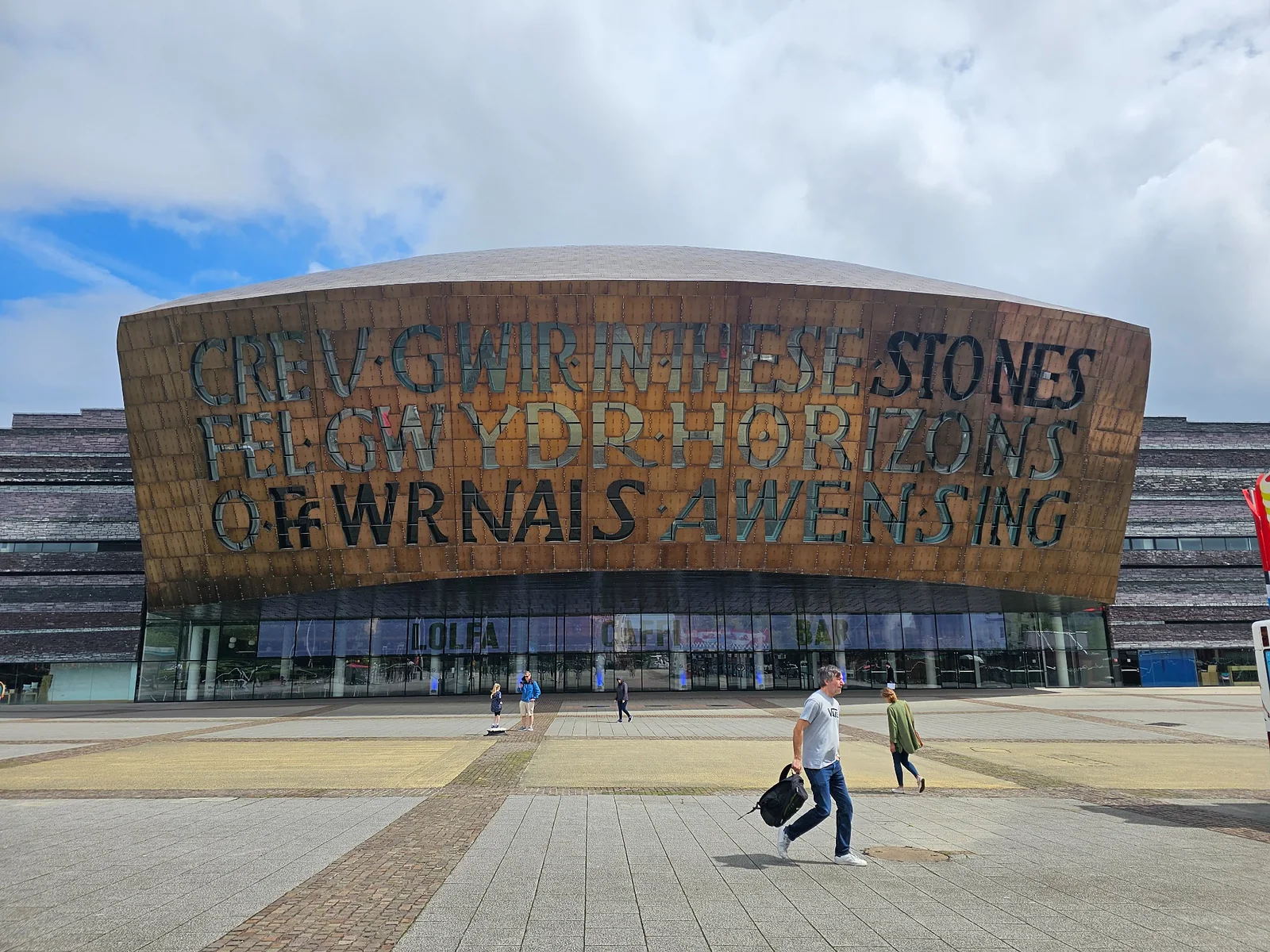
Apparently, healthcare has a national character too
The first time I found myself abroad without my medication was in Sofia in 2007, on one of my early business trips. My suitcase was delayed, and the tablets I was taking regularly at the time were inside it. I went into the nearest pharmacy, explained what I take and what had happened, and walked out with the medicine I needed. Problem solved. Free of charge.
Ankara, in 2024, offered an even more direct pharmaceutical experience, albeit for an entirely different complaint. Having not been careful enough about where I ate, I came down with spectacular diarrhoea and went looking for the first pharmacy I could find. The pharmacist spoke a very colourful variety of English, but her diagnostic procedure was magnificently efficient.
She looked at me and asked: ‘Big shit or small shit?’
It isn’t hard to guess which answer was correct.
That was evidently all the medical history she needed. Two minutes later I walked out with an antibiotic and another medicine that stopped the diarrhoea so thoroughly it soon introduced me to the opposite problem. No prescription was needed. Cash was.
A few months before the British trip, I was in New York with a colleague who needed medical attention there. Her experience was almost the exact opposite of mine: everything was sorted in about half an hour, and the bill came to around 700 dollars.
It is hardly a controlled study, but over the years I have collected a rather varied international sample.
- Sofia: you tell the pharmacist what you need and walk out with it.
- Ankara: you answer one brutally efficient diagnostic question, hand over cash and walk out with a small pharmaceutical arsenal.
- New York: your problem is solved at once, and then the bill explains exactly what that speed was worth.
- Britain: you pay nothing at all, but first you complete a three-day quest through several cities, pharmacies, nurses and doctors. You start in England and finish in Wales.
And Croatia? After all that, it suddenly seemed surprisingly sensible. Some situations can turn anyone into a patriot. Losing your blood-pressure pills in Britain, it seems, is one of them.
Ever since, I have travelled with two supplies of my medication, packed in two separate bags. Mrs Tishell taught me a lesson.